Latest news and trends in engineering
latest news and trends in engineering
1. Convergence of AI, Digital Twins & Smart Engineering


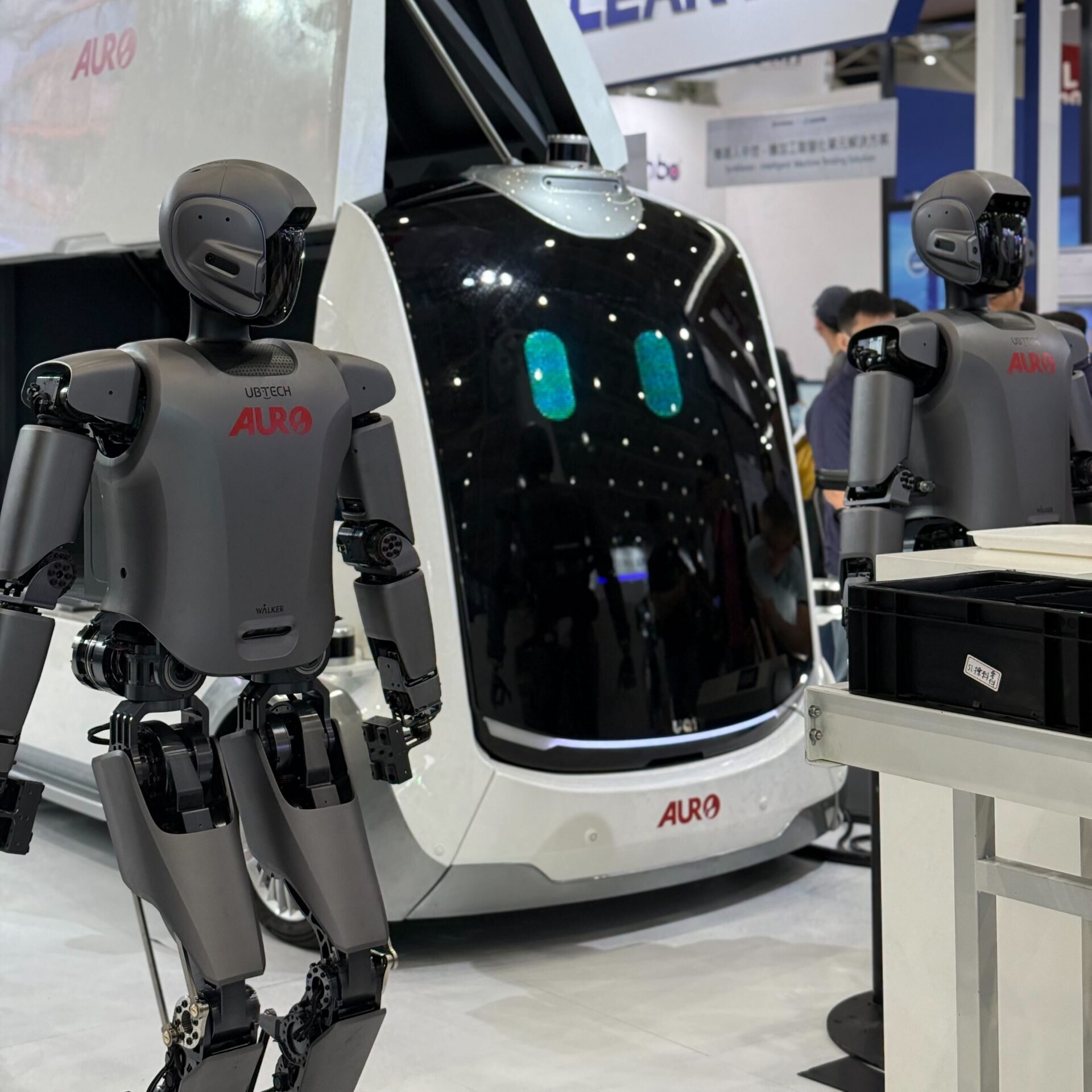
One of the dominant shifts in engineering is the convergence of artificial intelligence (AI), digital twin technologies and real-time data-driven systems.
-
According to a piece by Actalent, AI/ML integration is becoming a “business imperative” in engineering in 2025—moving beyond pilot projects to core workflows. (actalentservices.com)
-
The concept of a “digital thread” and “digital twin” is being emphasized — end-to-end data continuity across the product lifecycle (from design to production to service) is now a key differentiator. (HCLTech)
-
In sectors like construction, the event ENR FutureTech 2025 highlighted how AI + digital twins are already reshaping building/ infrastructure workflows. (GlobeNewswire)
Implication for engineers & firms:
If you’re in engineering (or planning to enter), being comfortable with sensors, data flows, simulation models, AI-based optimization will increasingly matter. Traditional “draw the design, hand-off to manufact” is shifting.
2. Sustainability & Green Engineering Accelerate

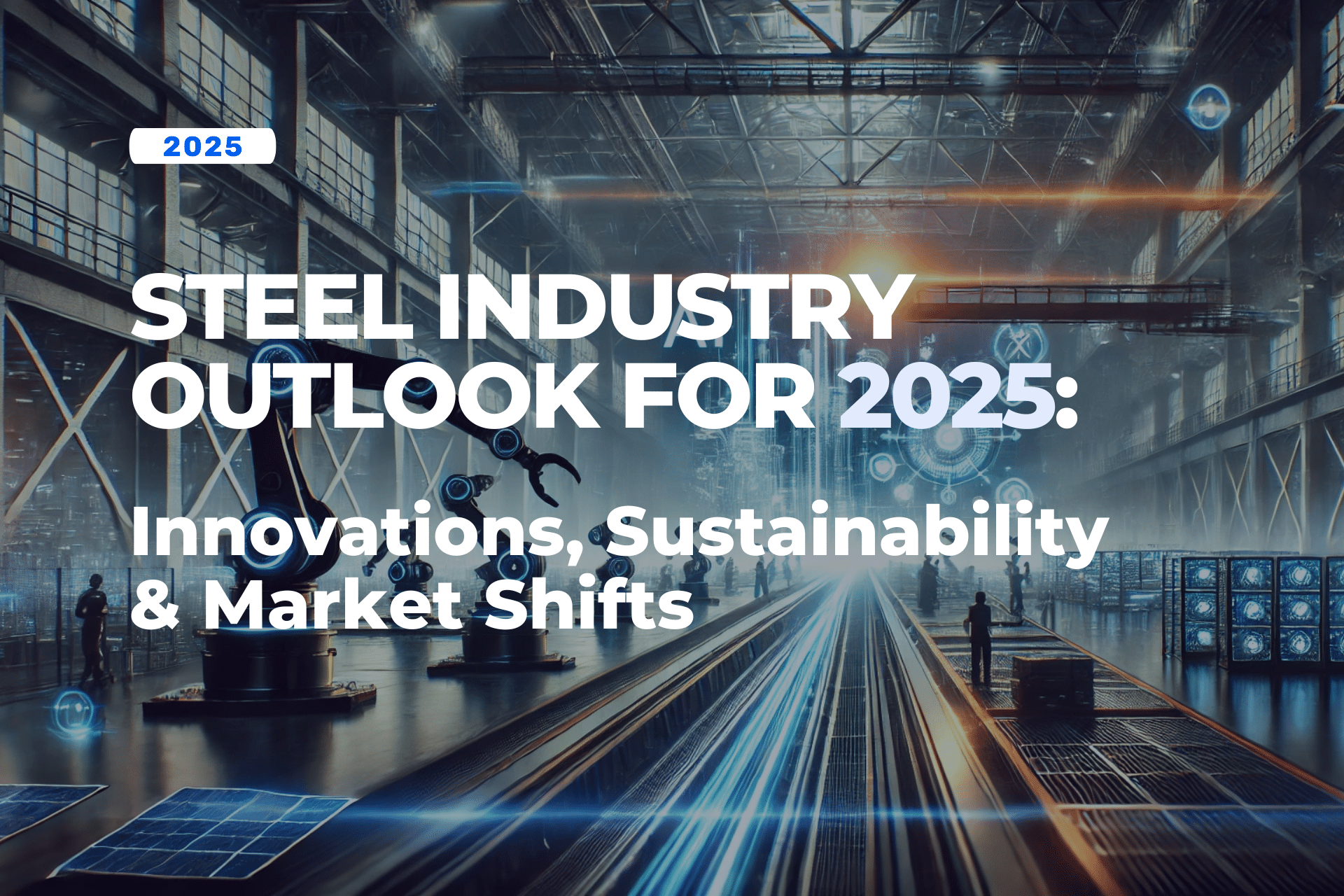
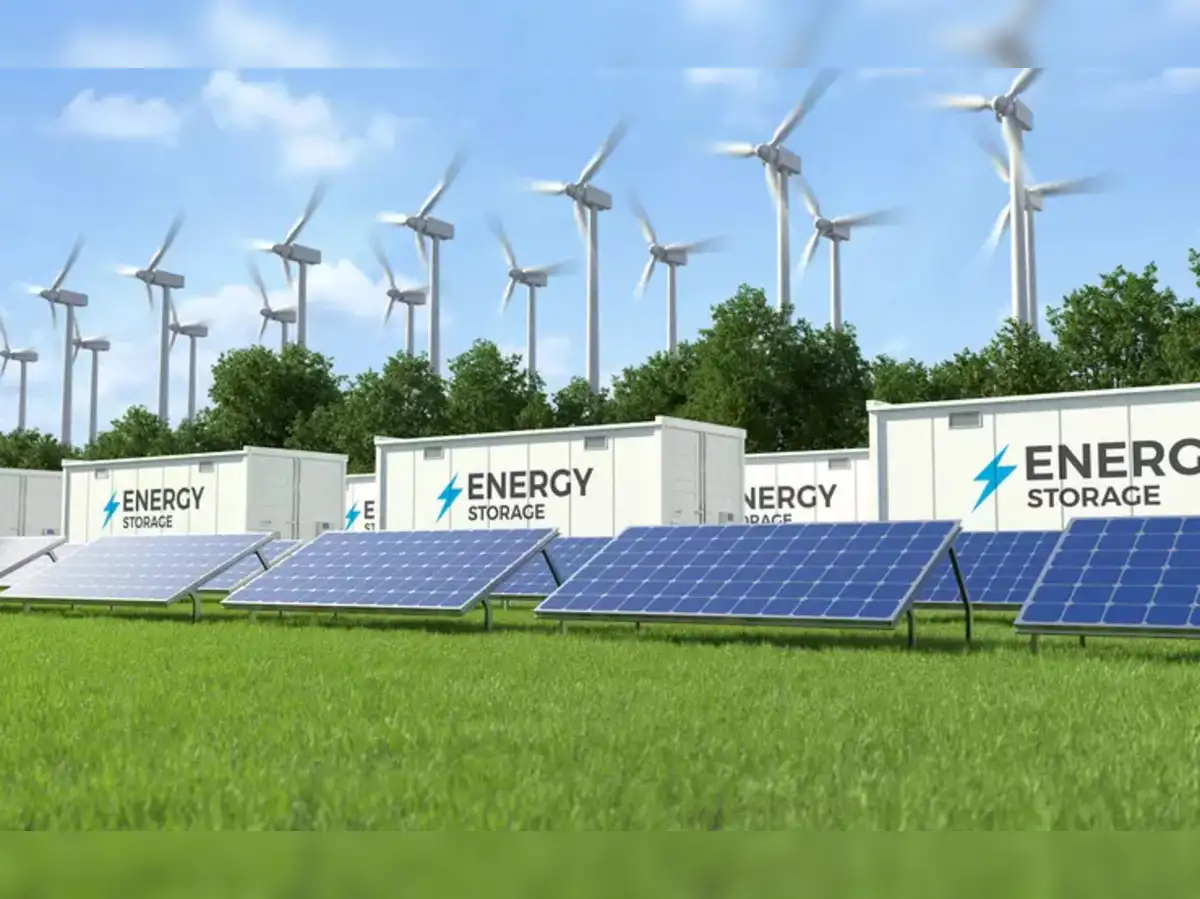



Sustainability is no longer a side topic; it’s baked into engineering decisions and strategy.
-
A blog by Springer Nature emphasises sustainability + digital transformation as twin engines for engineering. (Springer Nature)
-
For example, in steel design, companies are adopting low-carbon steel manufacturing, and mixing materials (hybrid systems) to reduce embodied carbon in structures. (citytecheng.com)
-
In electrical & electronic engineering, smart grids, EV infrastructure, advanced batteries all show the push toward greener systems. (gietbbsr.edu.in)
Takeaway: Engineering roles increasingly demand “green literacy” — knowledge of material life-cycle, energy efficiency, carbon accounting etc. It’s becoming as important as strength of materials was in older curricula.
3. Changing Skill-set for Engineers
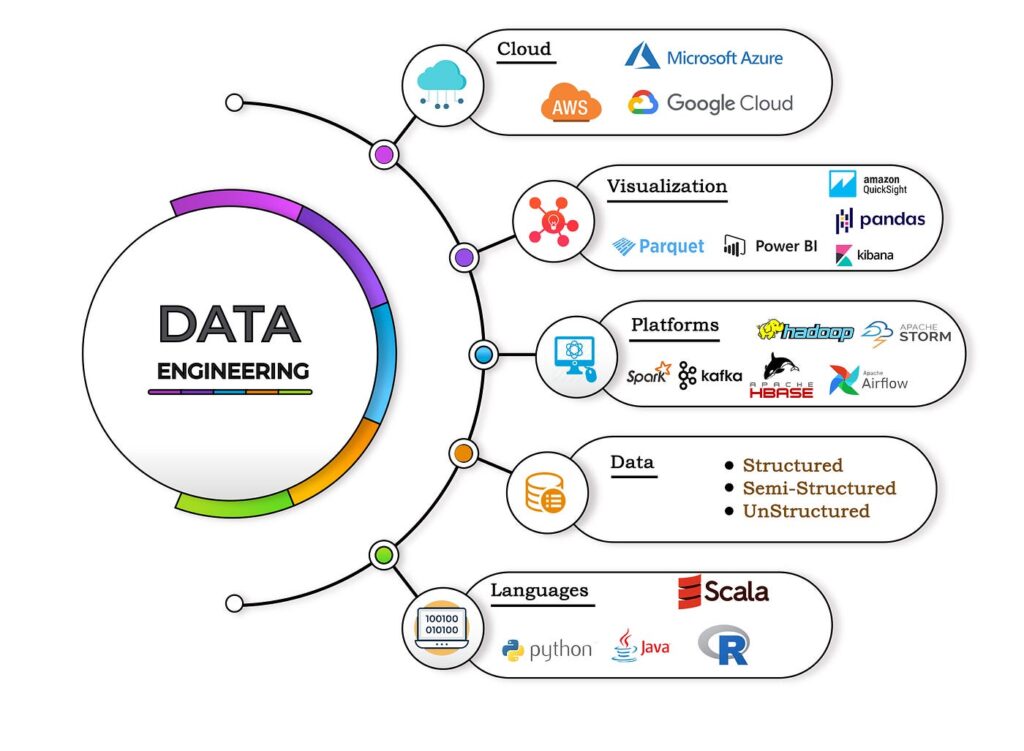


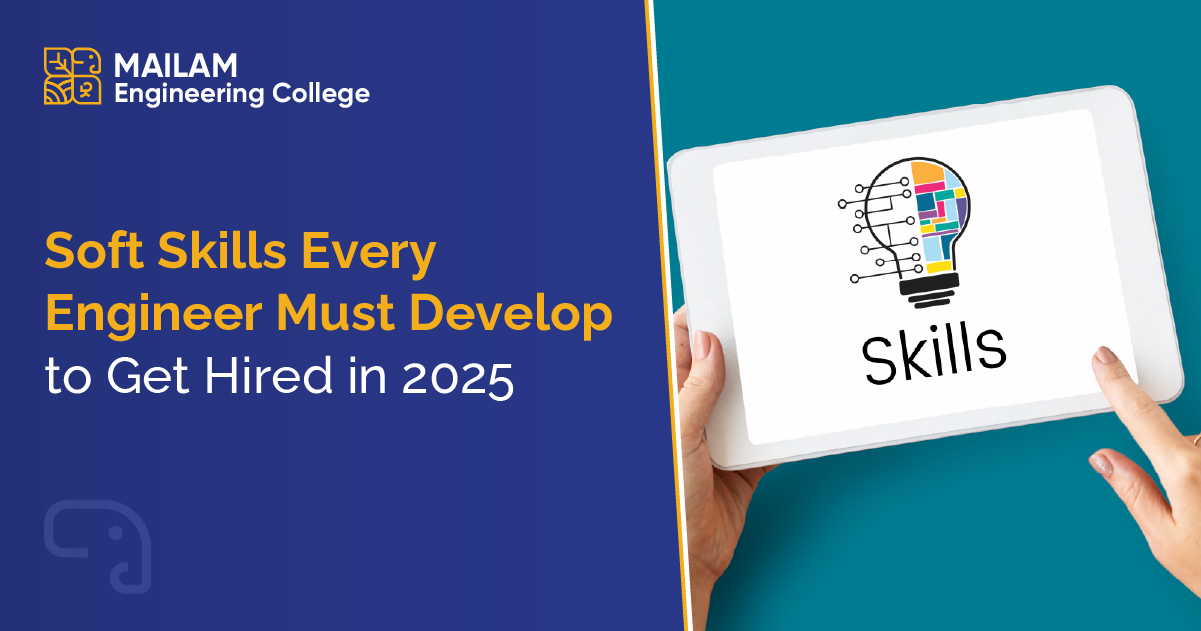
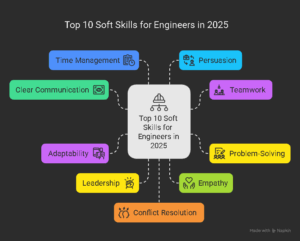
With these technological & sustainability forces, what engineers need to know is changing too.
-
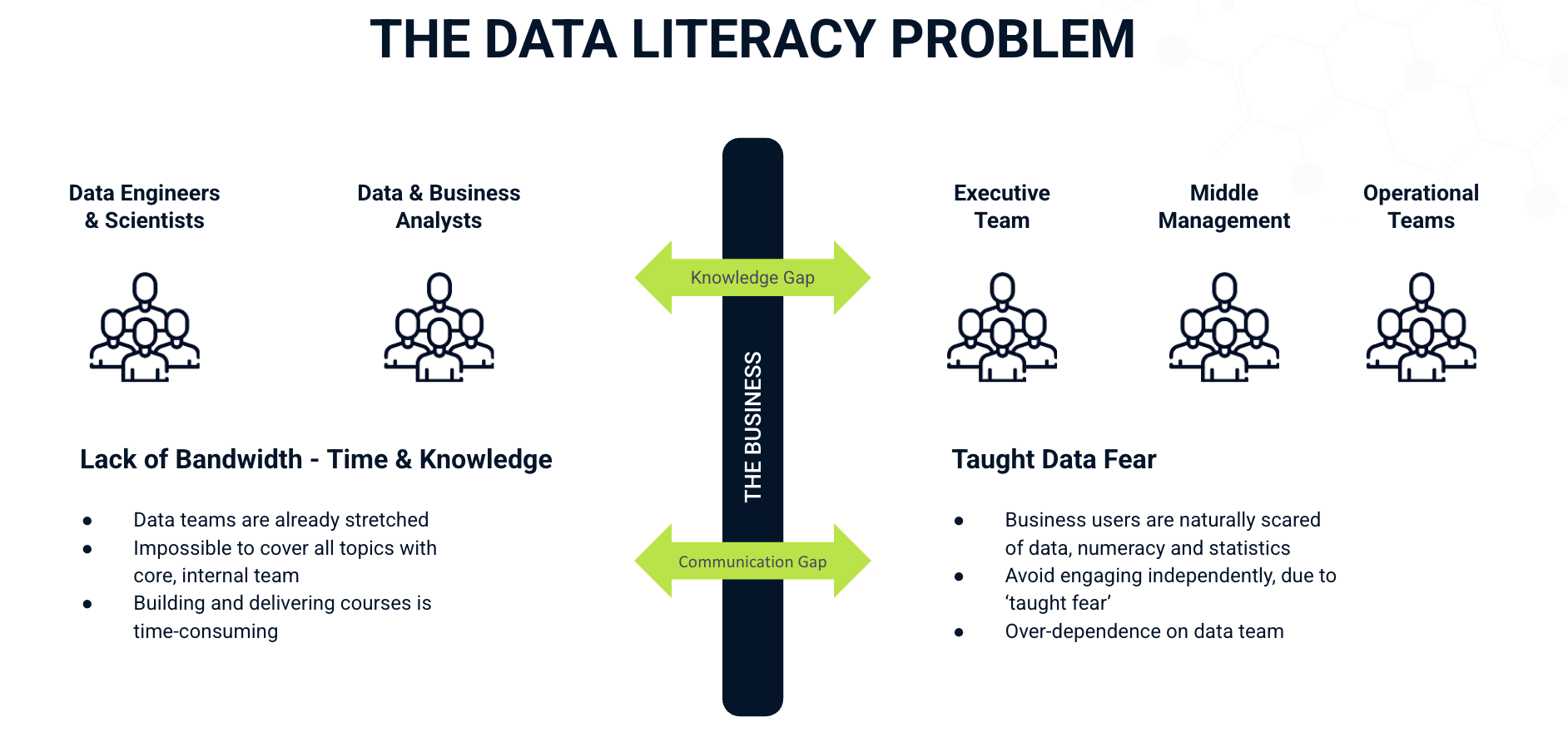
The Society of Operations Engineers lists “Digital & Data Literacy” as one of the top 5 essential skills for engineers in 2025. (soe.org.uk)
-
A recent report highlighted that besides technical AI/cloud skills, people-management and cross-functional skills are among the most important. (CO/AI)
-
There’s also evidence that students are flocking to AI/CS‐related engineering courses — e.g., in India the enrolment in BTech courses surged with AI/CS programmes dominating. (Careers360)
What to do:
If you’re studying or early career, consider picking up:
-
basics of AI/ML (even as non-AI engineer)
-
data handling/analytics skills
-
communication/collaboration skills (because engineering is more interdisciplinary)
-
sustainability mindset.
4. Manufacturing & Construction: Tech-Driven Disruption

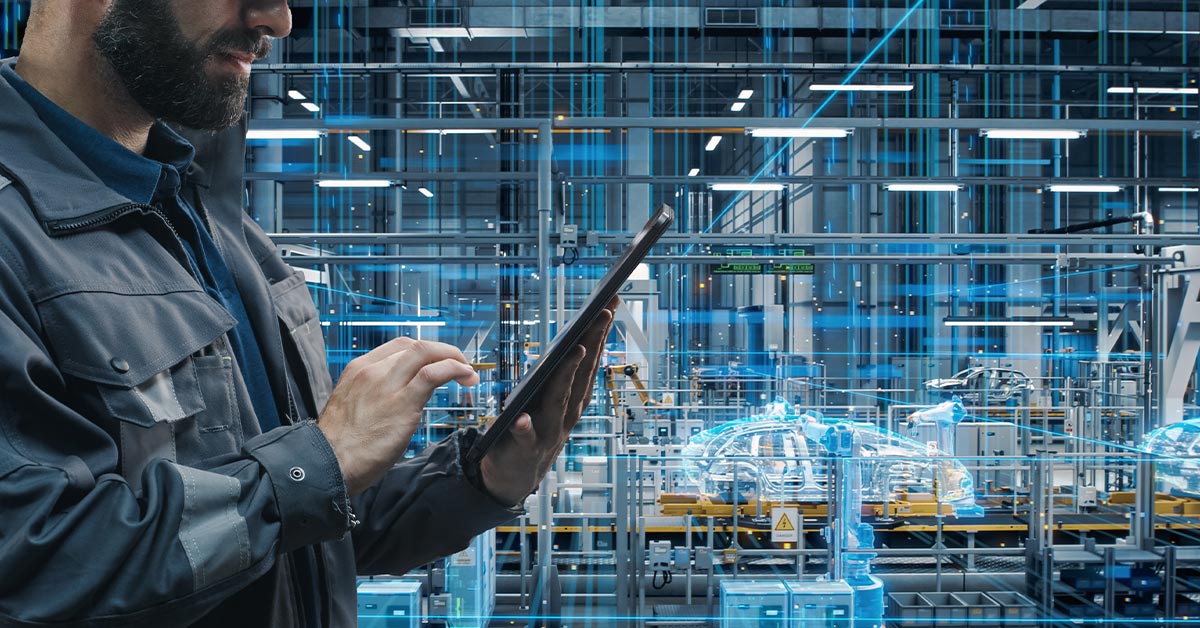


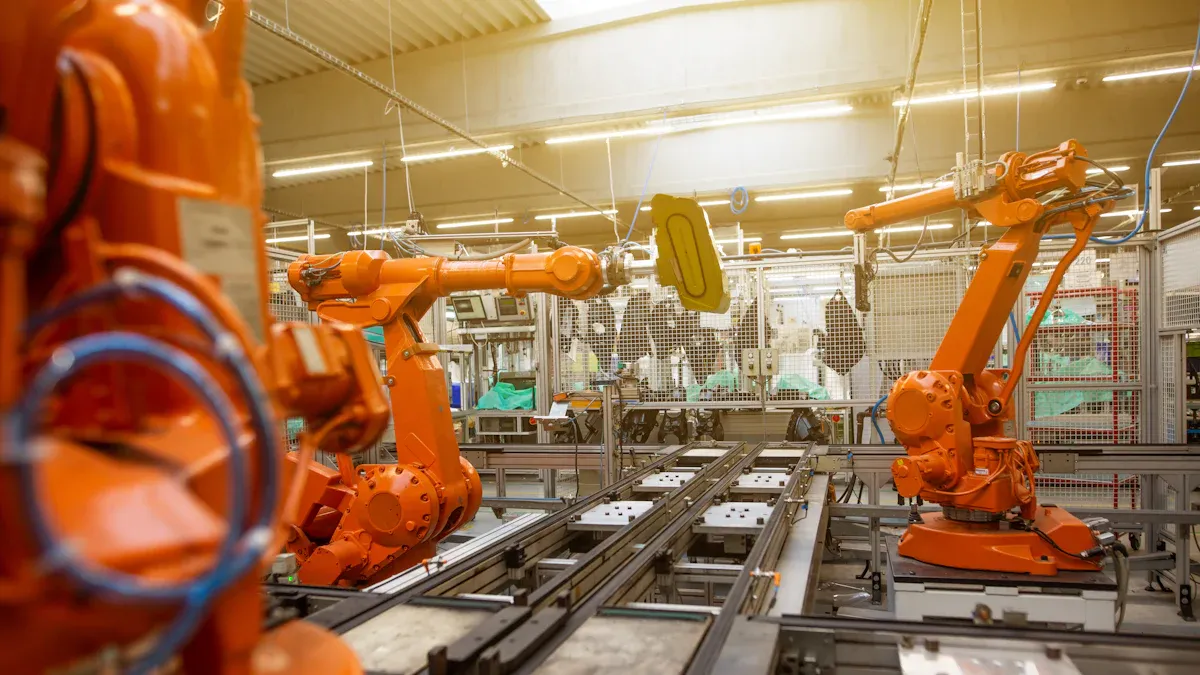
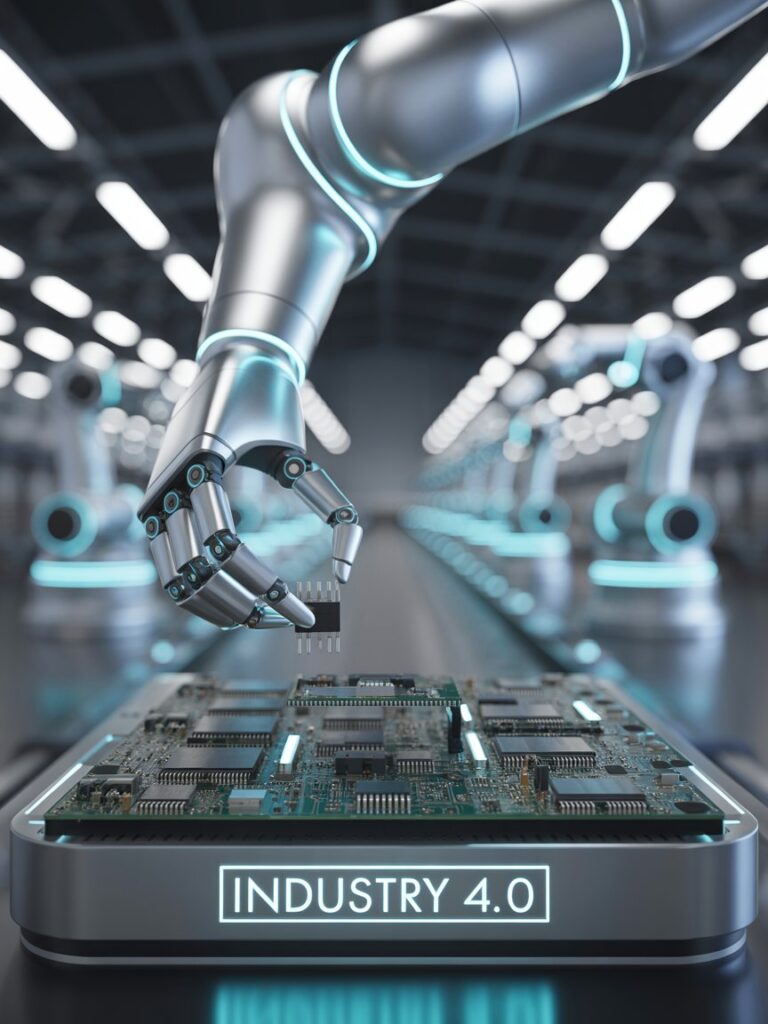
Traditional sectors like manufacturing and construction are undergoing visible disruption.
-
Manufacturing: Real-time data, AI‐driven optimization, predictive maintenance are increasingly the norm. (Engineering Industry News)
-
Construction: Use of modular & prefabricated construction is rising; digital tools like BIM (Building Information Modelling), AR/VR on site are getting more widespread. (cmicglobal.com)
-
In design/manufacture of materials: For example, steel design firms combining materials, using AI + BIM, focusing on faster cycles, lower waste. (citytecheng.com)
Why this matters: Engineering services are no longer just “design this part” but increasingly “design + simulate + optimize + monitor life-cycle”. Also projects increasingly demand faster time-to-market, agility and sustainability.
5. Job Market & Engineering Roles Shifting



The engineering job market is evolving — not just in terms of skills, but also roles and expectations.
-
A news article from the Indian Express notes that AI integration in workflows is changing the job market for software engineers; new roles are emerging while old ones may shrink. (The Indian Express)
-
While there is enthusiasm (e.g., in India engineering intake rising) there is caution: courses may fill up now, but if engineers are not able to adapt, risk of job mismatch remains. (Careers360)
-
From an industry perspective, the engineering-procurement-construction (EPC) market in the US is projected to grow (though gradually) — but firms will increasingly rely on tech‐enabled ways of working. (Yahoo Finance)
Advice for engineers:
-
Keep learning and updating skill-set (especially tech + domain combo).
-
Be open to roles that straddle domain + tech (e.g., materials engineer who knows data analytics or structural engineer using AI).
-
Explore sectors of growth: renewable energy, smart infrastructure, automation, digital engineering services.
6. What’s on the Horizon?


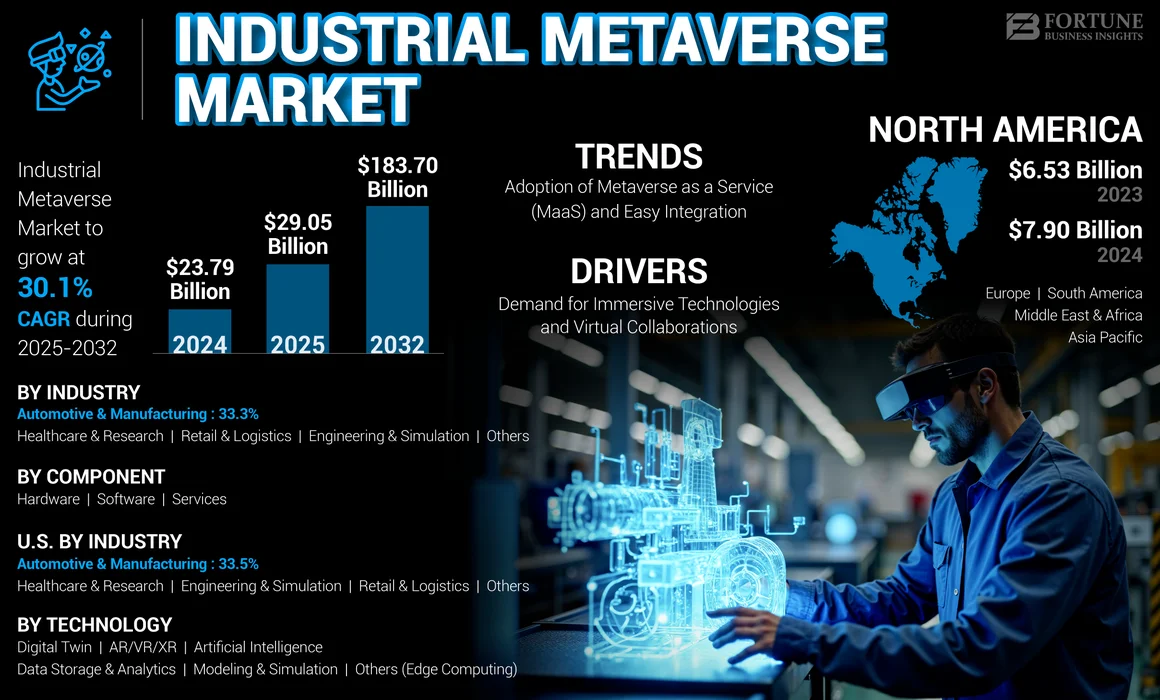


Looking ahead, there are a few frontier areas worth watching:
-
Quantum computing and new materials: For example, newly developed “superalloy” that resists extreme heat is emerging. (ScienceDaily)
-
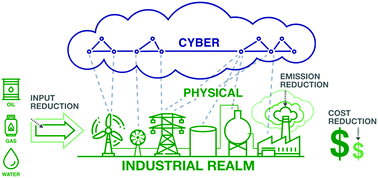
Cyber-physical energy systems: With the integration of renewable energy, distributed grids, IoT, there’s increased engineering complexity. (arXiv)
-
Deeper integration of 5G/edge computing in engineering systems — enabling remote operations, IoT, real-time control. (manpower.com)
Recommendation: Even if you’re working in a “traditional” engineering domain (mechanical, civil, etc.), keep an eye on these signals — they’ll likely influence how your work evolves.
7. Key Takeaways for India / Engineers in India
-
Given India’s large pool of engineering graduates and rapid infrastructure growth, the trends above matter a lot locally. For example, the surge in enrolments in AI/CS courses suggests a shift in student interest. (Careers360)
-
Renewable energy, smart infrastructure, digital manufacturing are big opportunities in India’s “Make in India” and “Green India” context.
-
Engineers must aim to combine strong domain fundamentals with digital literacy and sustainability mindset.
-
Soft‐skills, adaptability, cross‐disciplinary collaboration will be differentiators.
Final Thoughts
We’re at a moment where engineering is being reset — not just improving on existing tools, but redefining how engineering itself is done: data-driven, sustainable, collaborative, and tech-intensive. For students, professionals, and firms alike, success in this new era will come from embracing change, upskilling, and being proactive about emerging technologies and sustainable practices.
contact us :medicos092028@gmail.com

Comments
Post a Comment